
Vehicle Restoration Tips: How to Restore Your Vehicle Like a Pro

Restoring a vehicle is more than a hobby. It’s an art. A science. A commitment to excellence. If you want your car to look flawless and perform like new, you need the right approach. I’ve learned the hard way. Now, I’m sharing vehicle restoration tips that deliver show-quality results every time.
Restoration is about precision. Every detail counts. From stripping paint to the final polish, you must be methodical. This guide breaks down the process into clear, actionable steps. Follow them, and you’ll restore your vehicle like a pro.
Essential Vehicle Restoration Tips for a Flawless Finish
Start with a plan. Know your vehicle inside out. Identify what needs fixing, replacing, or upgrading. Here’s how to get started:
Assess the condition: Check the body, engine, interior, and undercarriage.
Set a budget: Restoration can get expensive. Prioritise critical repairs first.
Gather tools and materials: Quality tools make a difference. Invest in good sanders, paint guns, and polishing kits.
Create a workspace: Clean, well-lit, and ventilated. Space matters for efficiency and safety.
Next, focus on the bodywork. Remove rust and dents meticulously. Use a grinder or sandblaster for rust removal. Fill dents with high-quality body filler. Sand smooth. Repeat until flawless.
Paint preparation is crucial. Clean the surface thoroughly. Use a tack cloth to remove dust. Apply primer evenly. Let it cure fully before painting.
When painting, use multiple thin coats. Avoid thick layers that drip or run. Allow each coat to dry before the next. Finish with a clear coat for shine and protection.
Finally, polish and buff. Use a dual-action polisher for even results. Start with a cutting compound, then a finishing polish. This step brings out the depth and gloss of your paint.

Tools and Techniques That Make a Difference
The right tools and techniques separate amateurs from pros. Here’s what you need:
Dual-action sander: For smooth, even sanding without gouges.
Spray gun with adjustable nozzle: Controls paint flow and coverage.
Air compressor: Consistent air pressure is key for paint application.
Body filler spreaders: For smooth dent repair.
Polishing machine: Achieves professional shine.
Technique matters as much as tools. Always sand in stages: coarse grit to remove defects, fine grit to smooth. When applying paint, keep the gun moving steadily. Overlapping strokes prevent streaks.
Use masking tape and paper to protect trim and glass. Remove tape carefully after the paint dries to avoid peeling.
For interior restoration, clean or replace upholstery. Use leather conditioner or fabric protectant. Restore dashboard and trim with appropriate cleaners and polishes.
Is it Worth Restoring an Old Car?
Absolutely. But only if you approach it right. Restoration adds value, both monetary and emotional. A well-restored vehicle turns heads and commands respect.
Consider these factors:
Originality: Keeping original parts can increase value.
Condition: Severe rust or frame damage may not be worth the cost.
Purpose: Is it for show, daily driving, or investment?
Time and skill: Restoration demands patience and expertise.
If you want a show-quality finish, don’t cut corners. Use premium materials and take your time. The payoff is a vehicle that looks and feels brand new.
Step-by-Step Guide to Engine and Mechanical Restoration
Restoring the engine and mechanical parts is as important as the body. Here’s a simple process:
Disassemble carefully: Label parts and take photos for reference.
Clean components: Use degreasers and wire brushes.
Inspect for wear: Replace gaskets, seals, and worn parts.
Rebuild or replace: Depending on condition, rebuild the engine or swap parts.
Tune and test: Adjust timing, fuel, and ignition. Run tests to ensure performance.
Don’t forget the suspension, brakes, and exhaust. Replace worn bushings, brake pads, and mufflers. Safety and performance go hand in hand.
Finishing Touches: Interior and Detailing
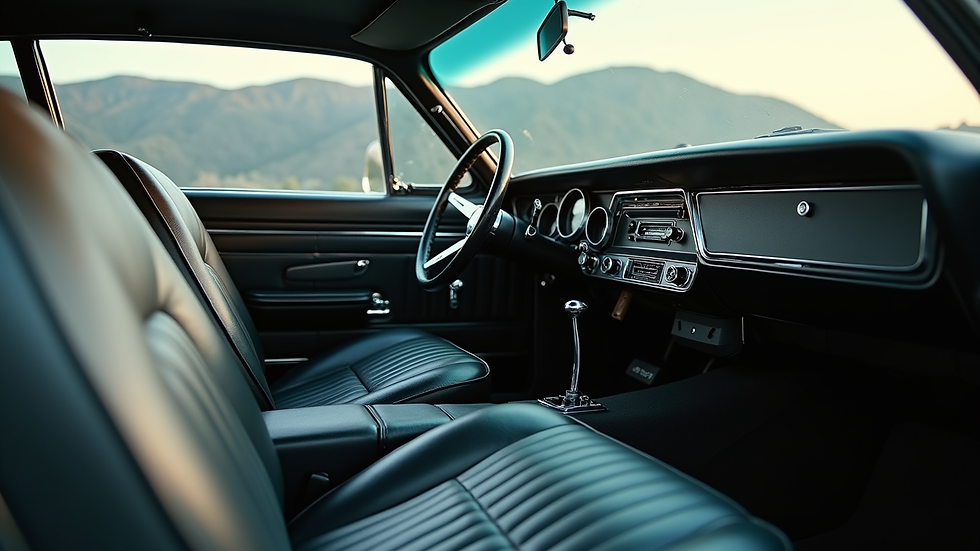
The interior completes the restoration. It’s where craftsmanship shows. Here’s how to get it right:
Clean thoroughly: Shampoo carpets, clean seats, and wipe all surfaces.
Repair or replace upholstery: Match original materials or upgrade for luxury.
Restore trim and panels: Use plastic and vinyl restorers.
Detail meticulously: Clean vents, knobs, and switches.
Install new weather seals: Prevent leaks and noise.
Detailing is the final step. Wash and wax the exterior. Clean windows inside and out. Apply tire dressing for a fresh look.
Keep Your Restoration Lasting Longer
Restoration is an investment. Protect it with regular maintenance:
Wash and wax regularly.
Store in a dry, covered space.
Check for rust or damage often.
Use quality fluids and parts.
Schedule professional inspections.
By following these steps, your vehicle will stay show-ready for years.
For those ready to dive in, learn more about how to restore a vehicle with expert guidance and premium services.
Restoring a vehicle is a journey. It demands skill, patience, and passion. But the results? Stunning. Show-quality. Professional. Follow these vehicle restoration tips and transform your car into a masterpiece.


Comments